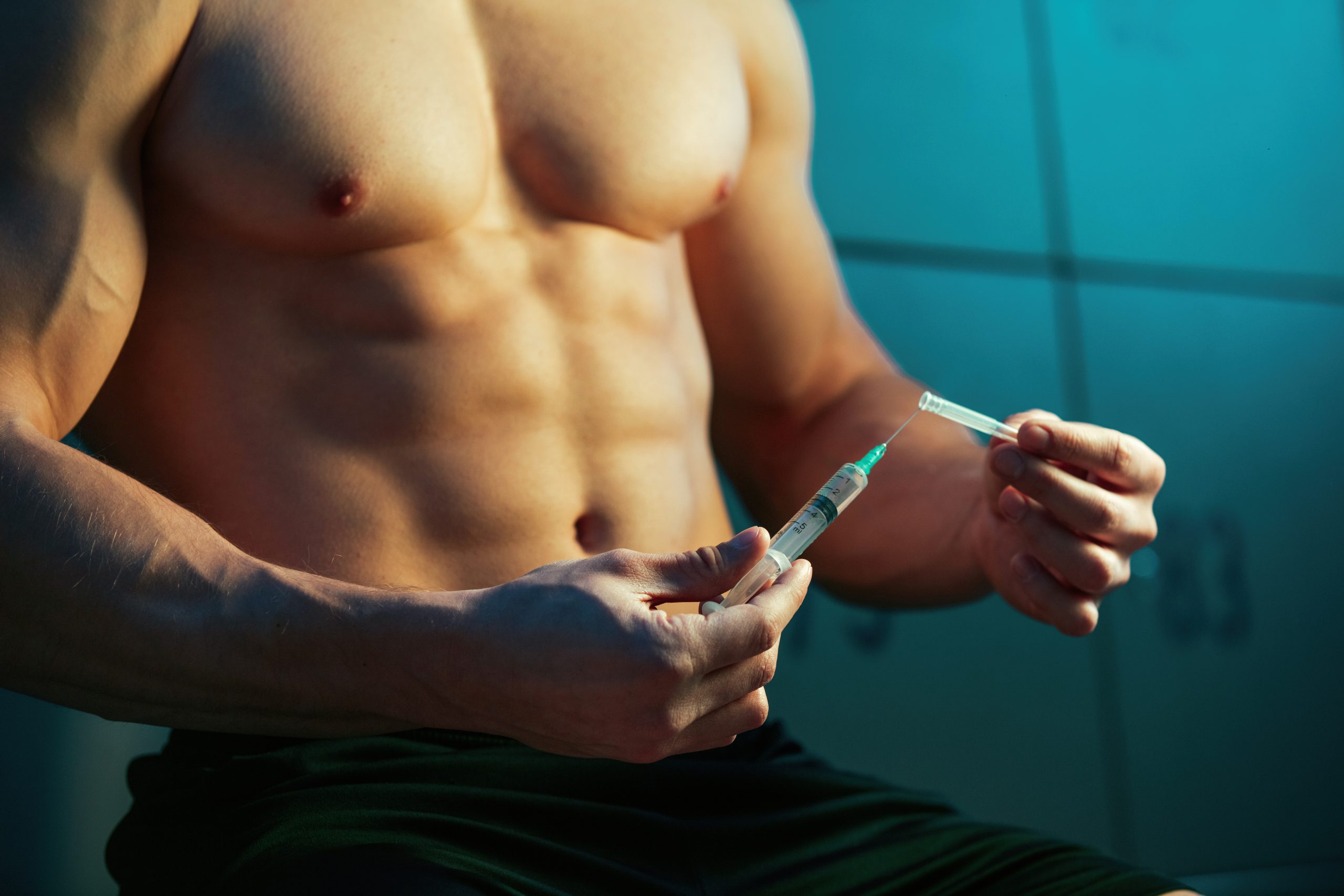
Image by Drazen Zigic on Freepik</a>
In the world of performance enhancement and physique optimization, anabolic steroids and peptides are two classes of substances that often generate curiosity, controversy, and confusion. Both can lead to muscle gain, fat loss, and improved recovery, but they operate very differently in the body. Understanding these differences is crucial for anyone considering their use, whether for bodybuilding, athletic performance, or hormone replacement therapy.
What Are Anabolic Steroids?
Definition:
Anabolic steroids are synthetic derivatives of the male sex hormone testosterone. They mimic its muscle-building (anabolic) and masculinizing (androgenic) effects.
Popular Anabolic Steroids:
Testosterone (Cypionate, Enanthate, Propionate)
Dianabol (Methandrostenolone)
Trenbolone
Anadrol (Oxymetholone)
Winstrol (Stanozolol)
Deca-Durabolin (Nandrolone Decanoate)
Mechanism of Action:
Steroids bind directly to androgen receptors, promoting protein synthesis, nitrogen retention, red blood cell production, and inhibition of catabolic hormones like cortisol.
What Are Peptides?
Definition:
Peptides are short chains of amino acids that signal specific biological processes. In performance enhancement, they often stimulate natural hormone release rather than replacing it.
Popular Performance Peptides:
CJC-1295 (with or without DAC) – Growth Hormone-Releasing Hormone analog
Ipamorelin – Growth Hormone Releasing Peptide
BPC-157 – Healing and recovery peptide
TB-500 (Thymosin Beta-4) – Recovery and tissue repair
IGF-1 LR3 – Insulin-like growth factor variant
GHRP-2 / GHRP-6 – Growth Hormone secretagogues
Melanotan II – Increases melanin production, libido, and can suppress appetite
Mechanism of Action:
Peptides typically signal the body to release hormones like growth hormone or stimulate repair processes, unlike steroids, which directly supply synthetic hormones.
Key Differences Between Steroids and Peptides
| Feature | Anabolic Steroids | Peptides |
| Mode of Action | Direct hormone replacement or analog | Stimulate natural hormone production |
| Muscle Gain | Rapid and significant | Moderate and steady |
| Fat Loss | Moderate | Enhanced through GH pathways |
| Recovery | Enhanced via protein synthesis | Enhanced via tissue regeneration & GH |
| Hormonal Disruption | High potential (shutdown of natural axis) | Low to moderate, usually reversible |
| Liver Toxicity | Possible (especially oral steroids) | Generally none |
| Injection Frequency | Weekly (testosterone) or daily (orals) | Often daily or multiple times per day |
| Side Effects | Acne, aggression, hair loss, gynecomastia | Water retention, hunger, mild insulin resistance |
| Legal Status | Controlled substances | Often grey area or research-only compounds |
Risks and Dangers
Anabolic Steroids Risks
Suppression of natural testosterone
Gynecomastia (due to estrogen conversion)
Liver damage (with orals)
Cardiovascular issues (cholesterol imbalance)
Aggression, mood swings
Potential for infertility
Peptides Risks
Injection site reactions
Elevated cortisol/prolactin (in some GHRPs)
Unregulated sources leading to purity issues
Insulin resistance (with IGF-1 or GH abuse)
When One May Be More Beneficial
| Situation | Preferred Option | Reasoning |
| A fast increase in protein synthesis and nitrogen retention | Steroids | Fast increase in protein synthesis and nitrogen retention |
| Tissue Healing / Injury Recovery | Peptides (BPC-157, TB-500) | Targeted regeneration without hormonal axis suppression |
| Fat Loss & Muscle Preservation | Peptides (GH analogs) | Boosts lipolysis and preserves lean mass without water retention |
| Hormone Replacement / TRT | Steroids (Testosterone) | Clinically supported and predictable outcome |
| Joint & Tendon Recovery | Peptides | BPC-157 and TB-500 improve collagen synthesis and tissue resilience |
Example Protocols
1. Peptides-Only Protocol (Muscle Growth and Fat Loss)
Goal: Mild hypertrophy, fat reduction, anti-aging
CJC-1295 DAC: 2 mg 1x per week (long-acting GH-releasing hormone)
Ipamorelin: 300 mcg daily (before bed)
BPC-157: 250 mcg twice daily (for injury or gut repair)
Duration: 12–16 weeks
Notes: Enhances natural GH pulsatility. Low risk of suppression.
2. Anabolics-Only Protocol (Body Recomposition)
Goal: Muscle gain, strength
Testosterone Enanthate: 300–500 mg/week
Optional Add-on: Winstrol 30 mg/day (weeks 6–12 for cutting)
Aromatase Inhibitor: Arimidex 0.5 mg 2x/week (as needed for estrogen control)
PCT: Clomid/Nolvadex after 12 weeks
Duration: 12 weeks
Notes: Requires blood work, liver support, and PCT planning.
3. Combination Protocol (Synergy Stack)
Goal: Maximize muscle gain, accelerate recovery, mitigate suppression
Testosterone Cypionate: 300 mg/week
CJC-1295 (with DAC): 2 mg once per week
Ipamorelin: 300 mcg pre-bed daily
BPC-157: 250 mcg twice daily (if recovering from injury)
IGF-1 LR3: 20 mcg post-workout (3x/week)
Aromatase Inhibitor: as needed
Cycle Support: NAC, TUDCA (for liver), Omega-3
Duration: 12–16 weeks
Notes: This hybrid stack allows for lean mass growth while enhancing recovery and reducing the steroid burden.
Final Thoughts
Anabolic steroids and peptides serve different purposes, and understanding those differences helps align your goals with the most appropriate strategy. Steroids offer fast and aggressive results but come with greater long-term risks and suppression of natural hormones. Peptides provide a gentler, supportive approach, often better suited for long-term wellness, injury healing, or beginners.
Always consult a medical professional before starting any protocol, especially with substances that influence your endocrine system. Safe use is informed use.
About the Author