
The official GSNBody logo representing 40+ years of proven transformation methodology
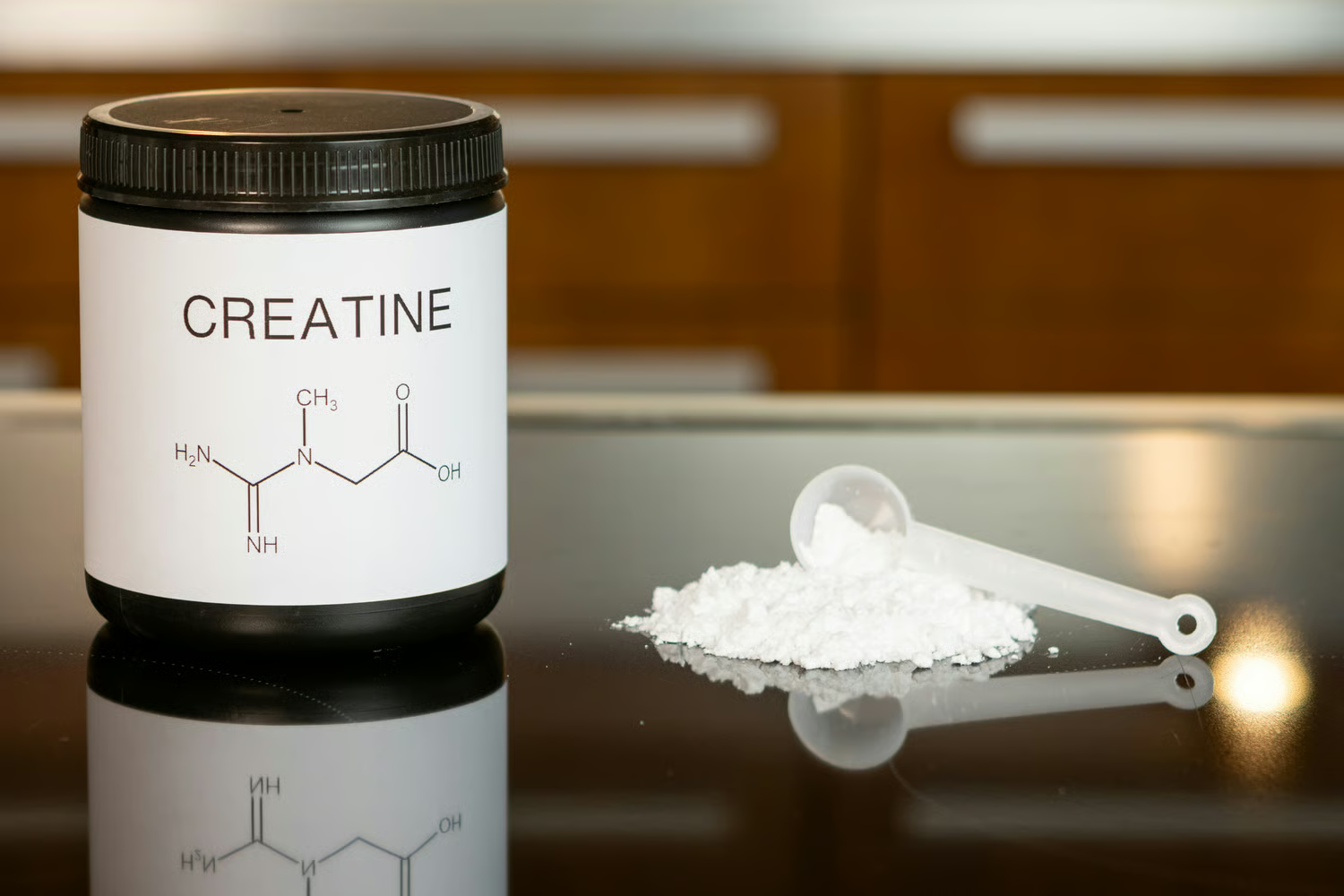
So, you’ve been hitting the gym, playing sports, or gaming competitively—and someone drops the word creatine. Maybe you’ve seen it in supplement aisles or heard your favorite fitness influencer mention it. But what is it? Is it safe? And more importantly—can it actually help?
Let’s clear the smoke around this powerhouse of a supplement.
What Even Is Creatine?
Creatine is a natural compound found in your muscles. Your body actually makes it from amino acids (those are the building blocks of proteins), and you also get some from foods like red meat and fish.
It helps produce a molecule called ATP (Adenosine Triphosphate)—aka the energy your muscles use when you move. More creatine = more fuel for short bursts of activity.
Why Teen Athletes (and Gamers) Care
Creatine isn’t just for pro bodybuilders. Here’s what it might help with:
- Boosts Muscle Power: Want to sprint faster or lift heavier? Creatine gives your muscles extra energy for explosive movements.
- Speeds Up Recovery: Feeling sore after leg day or a tough match? Creatine might help muscles recover faster, so you’re ready to go again.
- Increases Muscle Size: Not magic—but when combined with training, it can help muscles hold more water and grow.
- Supports Brain Function: Some early research suggests creatine might give your brain a small boost too, especially during intense mental tasks (like long gaming sessions or studying).
Is It Safe for Teens?
Generally, yes—if you’re healthy, active, and not going wild with the doses. But just like with anything new, it’s a smart move to talk to a doctor or a sports nutritionist first. Especially if you’re under 18. More isn’t always better.
Tips If You’re Thinking About Trying It
- Stick with Creatine Monohydrate. It’s the most researched and proven form. (If you’re looking for a trusted option, I use and recommend this pure creatine monohydrate from Amazon). (Disclosure: This is an affiliate link. I may earn a small commission if you purchase, at no extra cost to you.)
- Drink lots of water. Creatine pulls water into your muscles, so you’ve gotta stay hydrated.
- Be consistent. One scoop one day doesn’t cut it. Most people take around 3–5 grams daily.
- Don’t rely on it. Supplements should support hard work, not replace it.
Creatine isn’t a magic powder, but it’s earned its reputation as one of the most studied and effective supplements out there. If you fuel your body right, train smart, and take care of your health, creatine can be part of your success story—whether that’s on the field, in the gym, or in front of a screen.
Stay strong, stay curious!
About the Author